Mastering the art of high-stakes games in the casino world
Understanding High-Stakes Games
High-stakes games are the pinnacle of the casino experience, attracting seasoned players who thrive on adrenaline and the allure of significant financial rewards. These games, including poker, blackjack, and baccarat, require not only a solid understanding of the rules but also a keen strategic mindset. Players must navigate complex situations where every decision could lead to substantial losses or gains, especially if they also explore usa online casinos for additional opportunities.
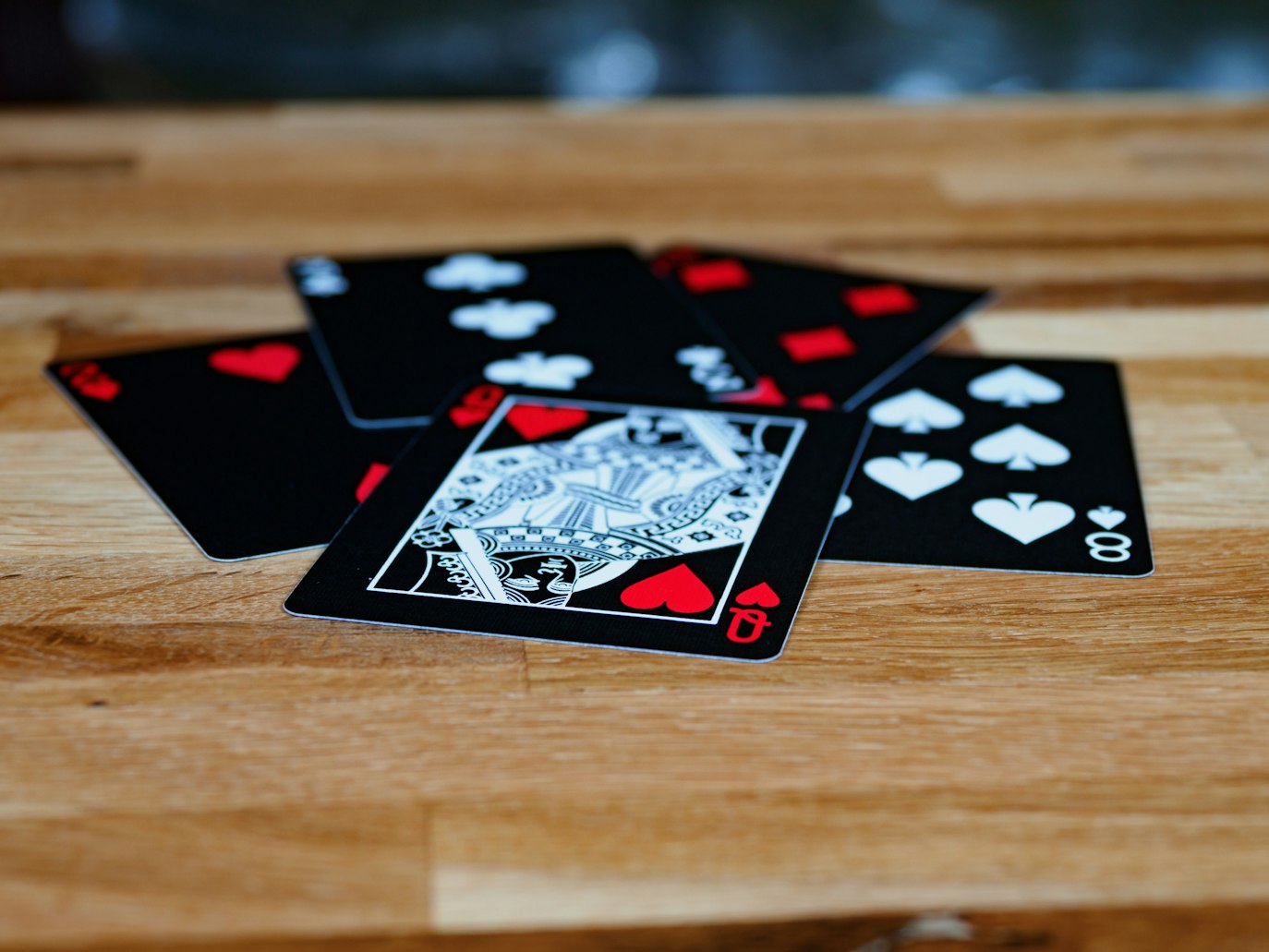
The thrill of high-stakes gaming is not solely about the money; it’s also about the psychological warfare that unfolds at the table. Experienced players often read their opponents, gauging their reactions and strategies, which adds a layer of depth to the gameplay. This aspect makes high-stakes games not just a test of luck, but a battle of wits and emotional control.
The Most Iconic Casinos for High-Stakes Play
Some casinos around the world have gained legendary status for hosting high-stakes games, becoming meccas for elite gamblers. Venues such as the Bellagio in Las Vegas, the Monte Carlo Casino in Monaco, and The Ritz Club in London offer lavish environments where players can indulge in the thrill of high-stakes betting. These establishments not only provide luxurious settings but also attract the best talent from across the globe.
Each of these iconic casinos has unique features tailored to high-stakes players. Private rooms, exclusive tournaments, and personalized service create an atmosphere that enhances the gaming experience. Players often return to these venues, not just for the games but for the community and prestige that come with playing in such esteemed locations.
Strategies for Success in High-Stakes Games
Success in high-stakes games is often a product of meticulous preparation and strategic thinking. Players should familiarize themselves with various strategies, such as bankroll management and game theory, which can significantly impact their overall performance. Understanding the odds and employing tactics like bluffing in poker or calculating the house edge in blackjack are crucial for long-term success.
Additionally, emotional resilience plays a critical role in high-stakes games. Players must remain calm under pressure, making rational decisions rather than emotional ones. This level of discipline can be cultivated through experience and practice, making it essential for anyone looking to master high-stakes gaming.
The Role of Psychology in High-Stakes Gaming
Psychological factors are immensely influential in high-stakes games, where mind games are as significant as numerical strategies. Players often engage in reading their opponents‘ body language and facial expressions to anticipate their next moves. This skill, known as „tells,“ can make or break a game, as interpreting these cues correctly can provide a significant advantage.
Moreover, managing one’s own emotions is equally critical. High-stakes players must cultivate the ability to stay focused and composed, even when the stakes are high and the pressure is on. Techniques such as mindfulness and visualization can help players maintain their mental edge, allowing them to make calculated decisions amid the chaos of the game.
Ensuring Security and Fair Play in Casinos
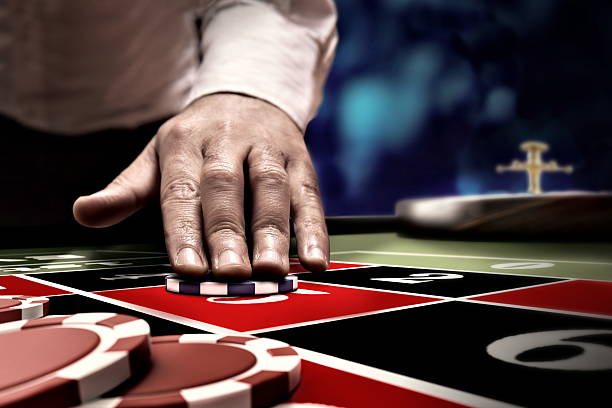
The integrity of high-stakes gaming relies heavily on the security measures implemented by casinos. Reputable establishments utilize advanced technologies to monitor games and ensure fair play. Players can feel secure knowing that their wagers are protected and that the games are conducted fairly. This confidence encourages a healthy gaming environment where skill and strategy reign supreme.
As the casino industry continues to evolve, so too do the measures taken to protect players. Enhanced security protocols, data protection practices, and customer support services are essential components in fostering trust between the casino and its patrons. Understanding these aspects can help players focus on the game without unnecessary concerns.